
You’re not alone. Most people have questions about range, charging, and running costs before making the switch. The good news? Used EVs make it easier than ever to go electric without the premium price tag.
Below, we’ll walk you through the real-world benefits, answer the questions everyone asks, and bust the most common myths that hold people back.
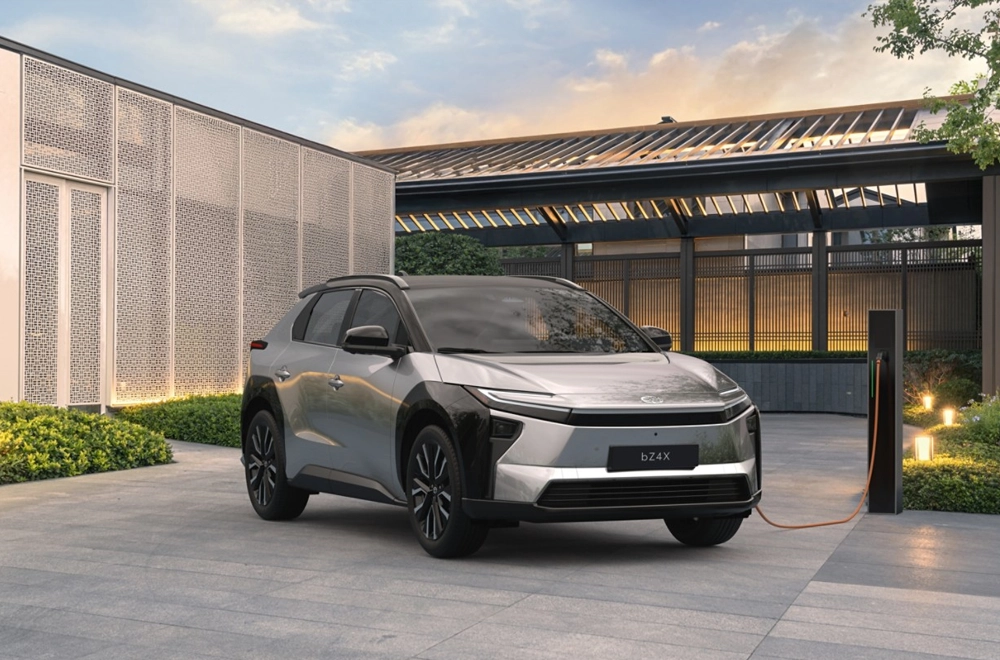
Driving electric can save you hundreds of pounds each year as charging is significantly cheaper than refuelling. Driving 100 miles in an EV costs less than half the price of petrol or diesel (RAC Foundation, 2024). Plus, EVs have fewer moving parts and don’t require oil changes, meaning lower servicing and repair costs (Auto Express, 2023).
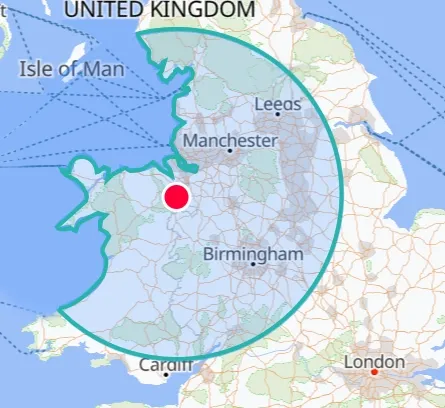
Most electric vehicles offer up to 250 miles of range, more than enough for daily journeys, considering the average UK trip is just 8 to 9 miles (RAC Foundation / Department for Transport, National Travel Survey). For example, you can safely drive from Wrexham to the Peak District and back, Leeds and back, or Birmingham and back, all on a single charge.
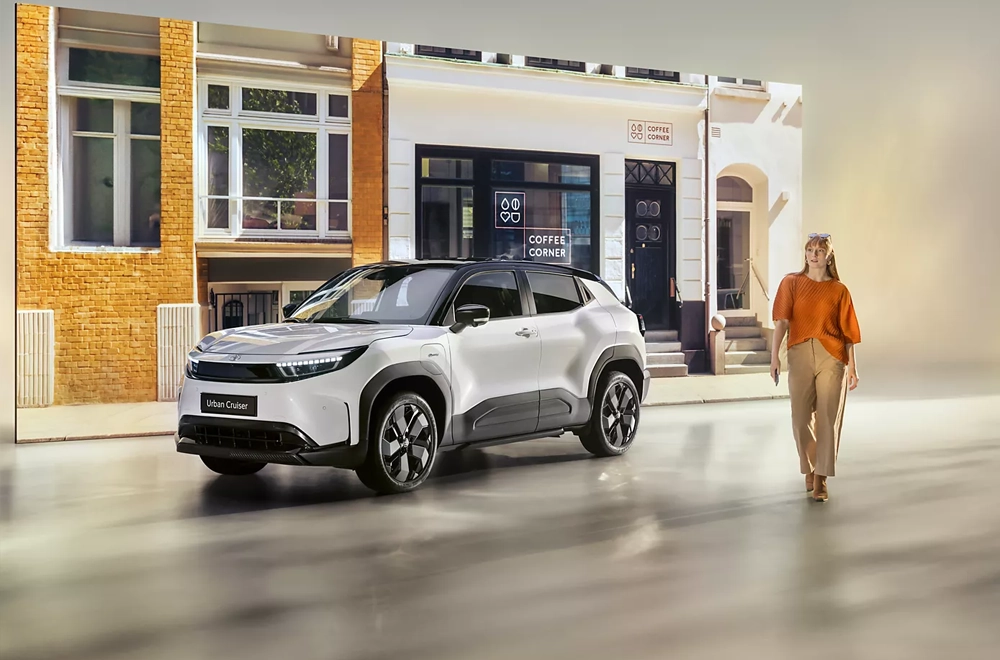
Most people who test drive an EV for the first time say the same thing: they didn't expect to enjoy it that much. Instant acceleration, no gear changes, and a quietness on the road that makes every journey feel more relaxed. There are no revs to build, no hesitation. You press the accelerator, and it goes.
It's one of those things that's genuinely hard to describe. The best way to understand it is to get behind the wheel.
Buying used is one of the smartest ways into electric right now. EV depreciation has been steep over the last two to three years, which means you can get a well-equipped, low-mileage car for significantly less than its original price. The technology hasn't changed, but the cost has.
A few things worth knowing before you buy:
Battery health is a better indicator of an EV's condition than mileage alone. A 40,000-mile car with a healthy battery is a better buy than a 20,000-mile car with degraded cells. We check battery health on every used EV we sell.
Most manufacturers offer an 8-year or 100,000-mile battery warranty. For many used EVs sold today, a significant portion of that cover is still in place. We can confirm the warranty status of any vehicle before you visit.
Just like a petrol car, a full service history gives you confidence. EVs need less servicing than combustion engines, but regular checks still count.
If you can charge overnight, your running costs drop significantly. Most used EVs come with a standard 3-pin cable and are compatible with a home wallbox, which can be installed for around £800 to £1,000, including grant support.
For most drivers in North Wales, public charging simply isn't part of the daily routine. You plug in at home overnight, wake up to a full battery, and go about your week. It's no different to charging your phone. The majority of EV owners rarely think about charging at all once that habit is established.
A home wallbox charges most EVs overnight in four to eight hours and costs around £800 to £1,000 to install. The UK government's EV chargepoint grant currently covers up to £350 of that cost for eligible homeowners and flat owners.
Most EV drivers switch to a dedicated EV electricity tariff when they get a home charger installed. Tariffs like Octopus Go and Intelligent Octopus Go offer overnight rates of around 7.5p per kWh, compared to 27.69p per kWh on a standard variable tariff (Ofgem, Q1 2026).
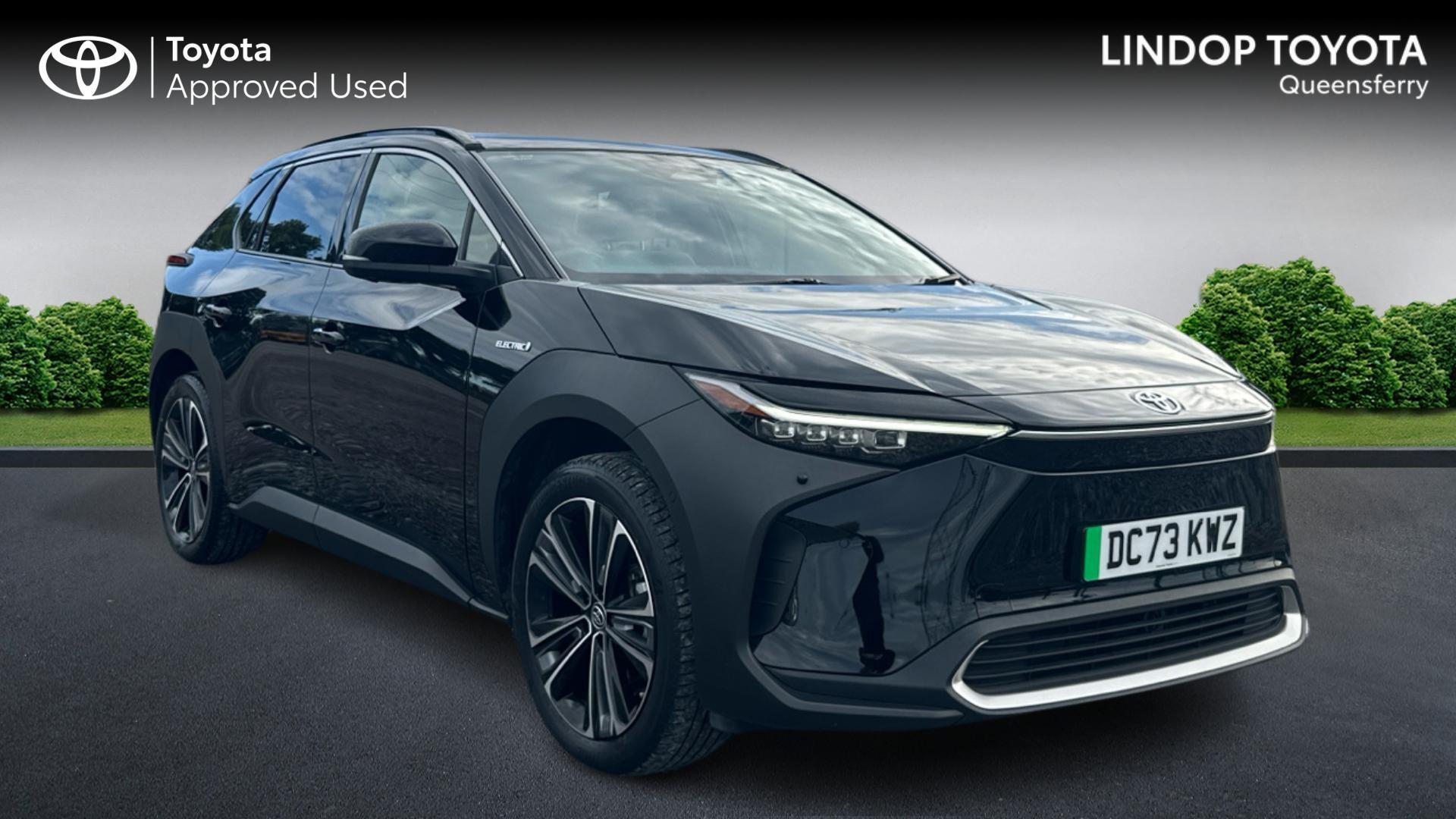
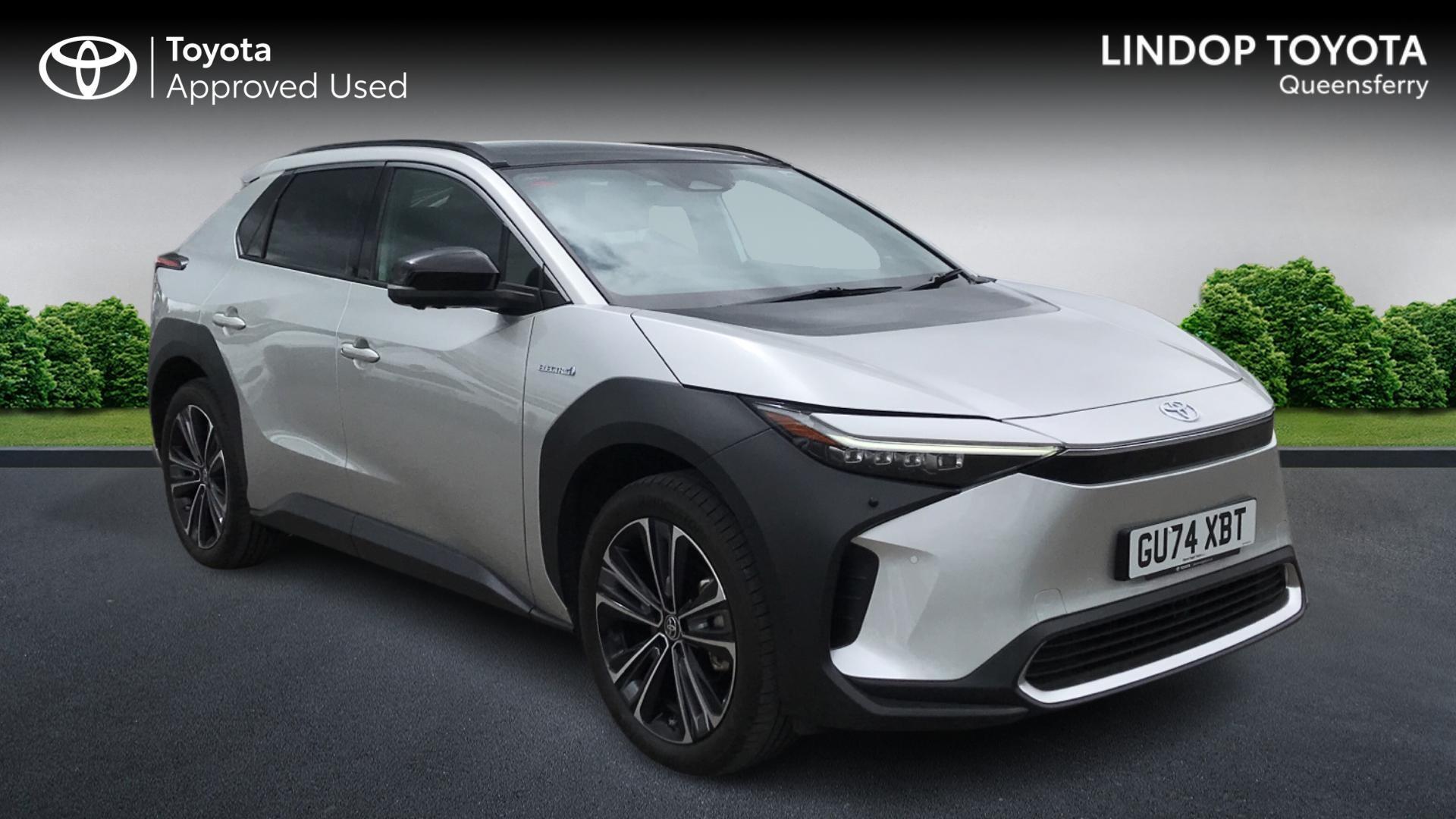
At that rate, a typical overnight charge costs between £3 and £6, depending on battery size. A small city EV with a 40kWh battery costs around £3 to fully charge. A larger family SUV with a 75kWh battery costs around £5.50. As a specific example, the Toyota bZ4X with its 73.1kWh battery costs around £5.48 for a full charge from empty.
Wake up to a full battery for less than the price of a coffee. That's the reality of home charging on an EV tariff.
EV tariff rates vary by supplier and may change. Check current rates at Octopus Energy or compare options at Uswitch.
Manchester and Birmingham are comfortably within single-charge range from North Wales for most modern EVs, so day trips and regular runs to those cities won't require any stops at all.
For genuinely long journeys, the national rapid charging network has you covered. The M6 north takes you towards the Lake District, Edinburgh, and beyond with chargers at regular intervals throughout. Heading south and east, the M5 and M4 corridors are well served all the way to Bristol, the South West, and London. Most rapid chargers add 80 to 100 miles of range in around 20 to 30 minutes, roughly the time it takes for a comfort stop and a coffee.
Apps like Zap-Map show live charger availability across the UK and most EVs now have built-in navigation that plans charging stops automatically on longer routes.
Modern electric cars can travel up to 250 miles on a full charge, which easily meets the needs of most UK drivers. The average car in Great Britain covers around 28 miles per day. That means a single charge could last up to nine days of typical driving.
Charging time depends on the charger type. With rapid chargers, you can reach 80% charge in just 20 to 60 minutes. Perfect for a coffee break during your journey.
Cars are parked 96% of the time, with 73% at home and 23% elsewhere. This means there’s plenty of opportunity to charge your EV before any long trips.
Not true. The average cost to run a fully electric car is 9p per mile, compared to 19p per mile for petrol (Eco Experts, 2023). That’s a significant saving over time.
As of December 2024, the UK had over 72,000 charging points across more than 36,000 locations (Parkers, 2024). Infrastructure is growing rapidly, making charging more accessible than ever.
Battery degradation is real, but it’s often overstated. Most EV batteries retain over 80% of their original capacity even after 100,000 miles of use, and many manufacturers build in buffer capacity on top of the quoted range to account for gradual wear. Before any used EV goes on sale with us, we carry out a battery health check so you can see exactly where the battery sits. If you ever want to know the health of a specific vehicle before you visit, just ask.
In early 2025, fully electric cars accounted for over 22% of all new UK car sales (SMMT, 2025). EV adoption is accelerating. There’s never been a better time to switch.
EVs are completely safe to drive and charge in wet conditions. Charging equipment is weatherproof and rigorously tested for water resistance.
In fact, EVs have a lower fire risk per mile travelled compared to petrol and diesel vehicles (NTSB, 2021).
Dealership location
Dealership location
Dealership location
Dealership location
Dealership location